
Basswood is a shade tree, common through the eastern United States, and for about two weeks each summer it produces so much nectar that beekeepers plan around it. The honey it yields is pale, and unusually assertive for something that light. Put it beside a clover honey and it announces itself.
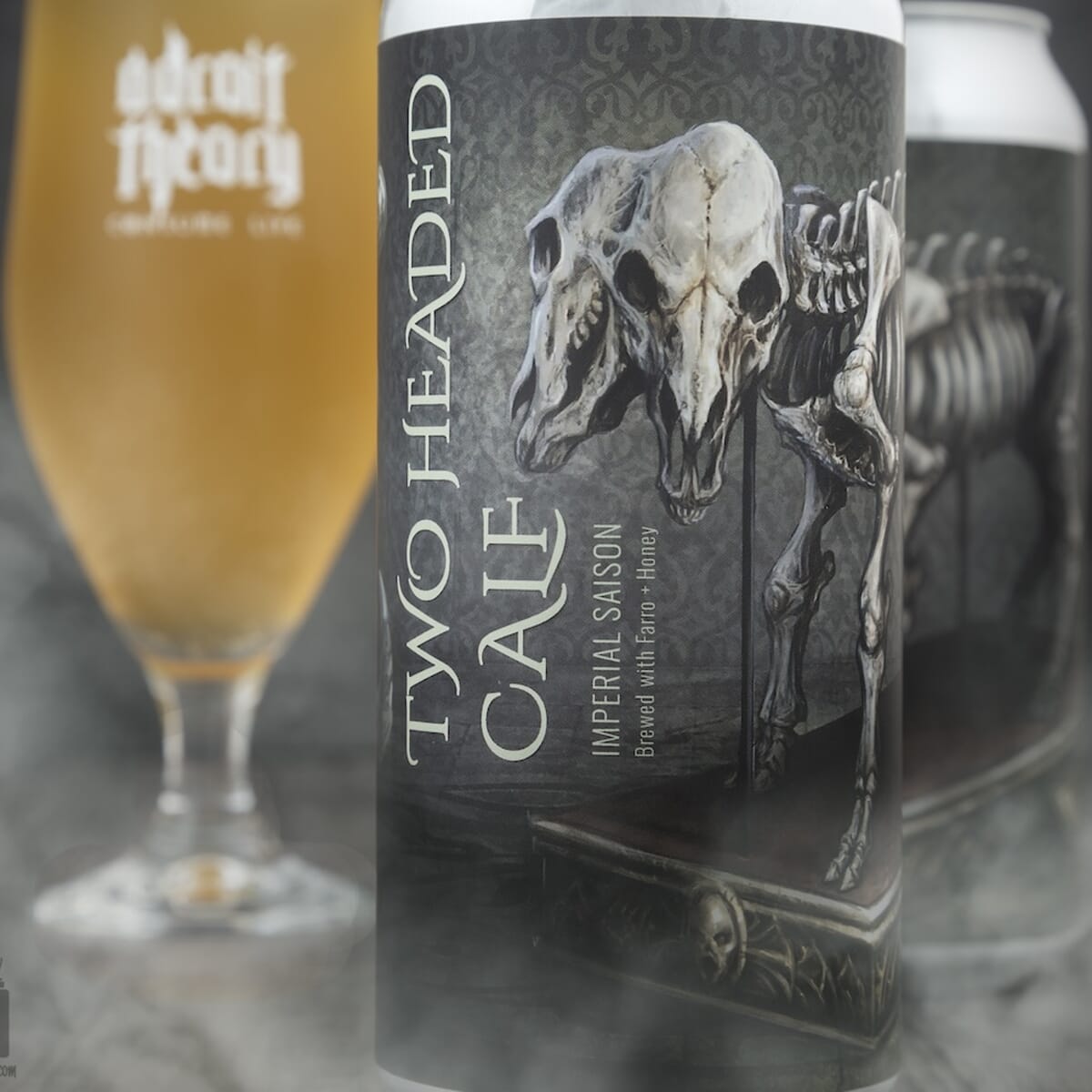
Adroit Theory has built a beer on it. Two Headed Calf is a Bier de Miel brewed with basswood honey from Healthberry Farm, which the brewery credits to a beekeeper it names as its friend Ben. Farro goes into the grist alongside it.
The brewery positions the beer against its own house saison. It carries the same spicy bouquet, according to Adroit Theory, but with the sweeter body and aromatics that come with the Bier de Miel style. The finish, the brewery says, is dry.
That last point is less of a contradiction than it sounds. Honey is almost entirely fermentable, far more so than barley malt, so yeast tends to consume nearly all of it. What survives into the finished beer is aroma and a thinner body rather than residual sweetness. A honey beer that finishes dry is the style working as intended, not working against itself.
The name comes from the brewery's running interest in polycephaly, the condition that produces two-headed animals. The release copy leans in:
Mother Nature's wicked sense of humor. Is it a glorious tribute to the resiliency of life, or a cruel punishment of the bizarre? A rarity celebrated by collectors, shared with a select few who appreciate their allure.
One practical note. The printed labels for this batch are not ready, so cans are going out under the generic label Adroit Theory normally uses on its crowlers. The brewery expects the real ones next week, and is selling the beer in package format in the meantime.
Two Headed Calf is available now on draft and in cans at the Purcellville taproom, with 30 cases packaged.
Source & Editorial
JollyPint independently prepares release articles using information published by breweries through newsletters, websites, and other official public communications. Brewery-supplied descriptions and tasting notes are reported as provided, while editorial context is added by JollyPint.